Regular eye check-ups are essential for seniors to preserve vision, prevent falls, and enhance overall quality of life. As people age, they are more susceptible to cataracts, glaucoma, macular degeneration, and other vision-threatening conditions. Routine eye exams can detect these issues early, enabling timely treatment and preserving independence. In our digital age, maintaining visual clarity is also critical for safety, communication, and engagement. Prioritizing eye health helps seniors lead active, fulfilling lives with reduced risk of injury or isolation.
Understanding Geriatric Eye Care
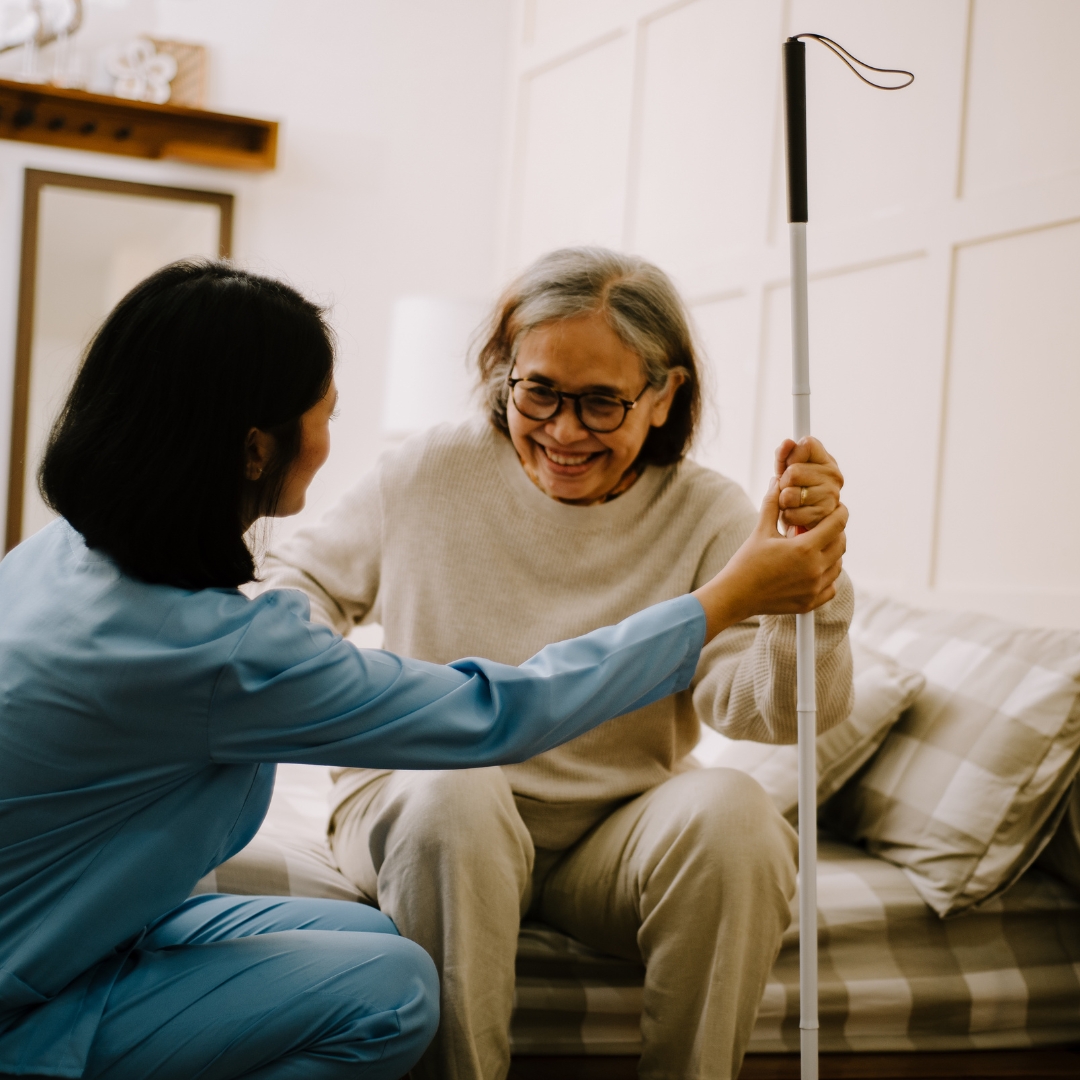
Older eyes face both traditional and modern challenges. Alongside age-related conditions such as cataracts, glaucoma, and macular degeneration, many seniors experience digital eye strain due to increased screen time. Geriatric eye care must also account for drug interactions, chronic illnesses like diabetes and hypertension, and changing digital habits. Regular eye evaluations contribute to better cognitive function, fall prevention, and long-term independence.
Common Vision Concerns in Seniors
Seniors often contend with natural aging of the eye and external stressors from digital devices. The most common issues include:
– Cataracts: Clouding of the eye’s lens leading to blurred or dim vision.
– Glaucoma: Increased eye pressure that damages the optic nerve and can cause irreversible vision loss.
– Macular Degeneration: Affects central vision, making it difficult to read or recognize faces.
– Dry Eyes: Results in irritation, redness, and a gritty feeling due to reduced tear production.
– Diabetic Retinopathy: Caused by damage to retinal blood vessels from diabetes.

Medications & Medical Conditions That Impact Vision
Many medications and chronic conditions influence vision health, often in subtle but impactful ways:
– Steroids: Can increase the risk of cataracts and glaucoma.
– Antidepressants/Antihistamines: Associated with dry eye, especially anticholinergics.
– Antihypertensives and Parkinson’s meds: May lead to blurred vision or dizziness.
– Diabetes and thyroid disorders: Affect tear production and retina health.
A full medication review is a crucial part of every senior eye check-up.
Vision, Falls, Vertigo & Balance
Even minor vision issues can increase fall risk and disorientation. Poor depth perception, untreated cataracts, and visual-vestibular imbalance contribute to instability. Regular eye exams help detect these concerns early, promoting safe mobility and fall prevention.
Digital Eye Health for the Elderly
Many seniors now rely on digital devices, making digital eye health crucial. Best practices include:
– The 20-20-20 rule: Every 20 minutes, look 20 feet away for 20 seconds.
– Using blue light filters or night mode.
– Blinking regularly to avoid dry eyes.
– Utilizing screen readers or magnification tools to reduce strain.
Preventive Eye Care for Seniors
Prevention goes beyond check-ups. Seniors should:
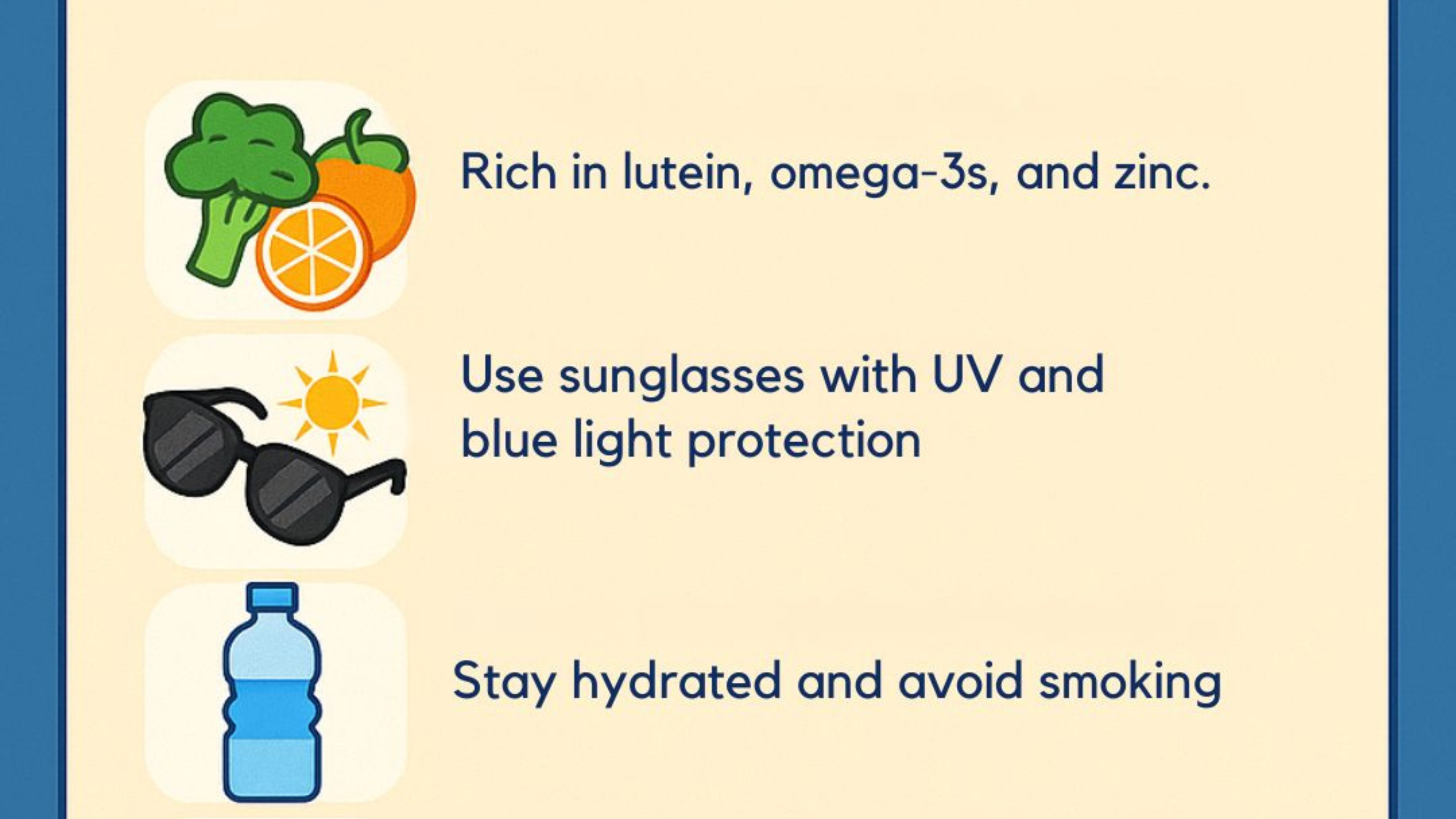
– Eat foods rich in lutein, omega-3s, and zinc.
– Use sunglasses with UV and blue light protection.
– Stay hydrated and avoid smoking.
– Manage systemic conditions like diabetes and hypertension.
Healthy habits support eye function, cognition, and overall well-being.
Here’s what you can do for yourself have a diet that’s healthy and enriching.
Specialized Eye Exams for Seniors
Standard exams may miss age-specific issues. Seniors benefit from:
– Testing for glare sensitivity, contrast vision, and intraocular pressure.
– Evaluation for screen-related symptoms and dry eye.
– Support for low-vision devices and assistive tech.
– Guidance for post-operative care and rehabilitation.
Why Choose Move and Shine Eye Clinic for Senior Eye Care
At Move and Shine Eye Clinic, our senior-focused approach ensures top-tier care for aging eyes:
– Ophthalmologist Dr. Dona specializes in preventive eye health and systemic-vision connections.
– Our state-of-the-art day care cataract centre allows early detection and surgery on a minimal budget with less waiting.
– We offer affordable, comprehensive senior packages for glaucoma testing, intravitreal injections, and customized eyeglasses.
Our clinic blends expertise with empathy to serve every senior with dignity.
Frequently Asked Questions (FAQs)
How often should seniors have their eyes checked?
Annually, or more frequently if managing conditions like diabetes or glaucoma.
Is cataract surgery safe for elderly patients?
Yes. It’s one of the safest and most effective surgeries, often done in a few hours.
Are dry eyes common in old age?
Yes. It results from lower tear production and can be managed with drops or medication.
Can medications affect vision?
Yes. Steroids, antihistamines, antidepressants, and others can alter eye health.
How does poor vision cause falls?
It reduces depth perception and balance, increasing risk of accidents.
What is digital eye strain and can seniors have it?
Yes. It causes fatigue, dryness, and headaches due to prolonged screen use.
What’s included in a senior eye care package?
Glaucoma screening, cataract evaluation, dry eye therapy, and discounted glasses.
Can diabetes affect vision?
Yes. It may cause diabetic retinopathy, which can lead to blindness if untreated.
Are specialized glasses necessary for seniors?
Often yes. Anti-glare, bifocals, or progressive lenses improve safety and comfort.
How can seniors improve home lighting for better vision?
Use bright, uniform, and high-contrast lighting especially in walkways.