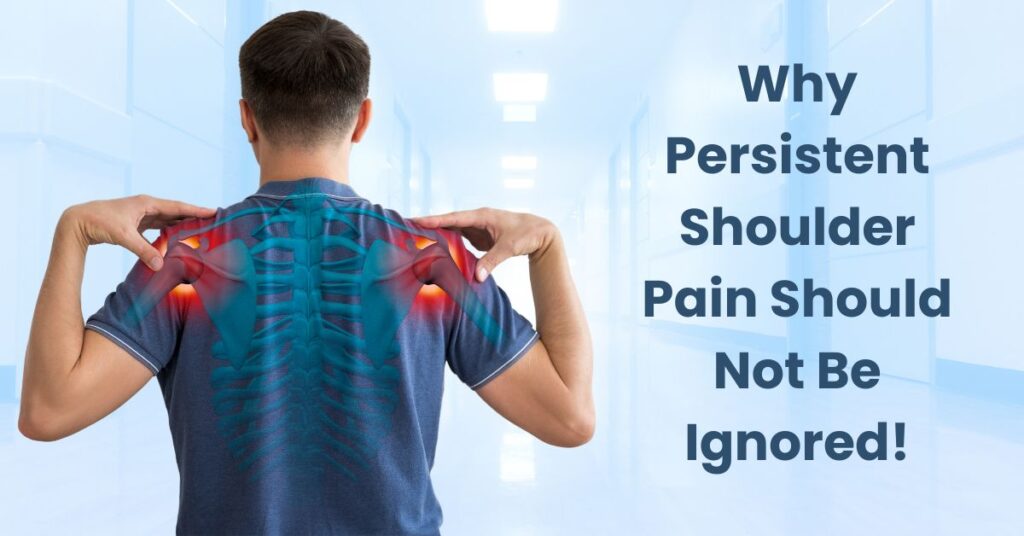
Shoulder pain affects people of all ages, but one of the most common causes—especially in active individuals and older adults—is a rotator cuff injury. From sudden tears during sports to gradual wear and tear due to poor posture, rotator cuff problems are alarmingly frequent, but also largely preventable.

At the CME event hosted by Move and Shine Orthopedic Wellness Clinic, held on March 20, 2025, an expert panel of specialists—Dr. Pradeep Kocheeppan (Orthopedic Consultant), Dr. Viresh Murgodi (Orthopedic Surgeon), and Dr. Wongchuk Serpa (Physiotherapy Expert)—came together to explain the mechanics behind rotator cuff injuries and how timely intervention can make a lasting difference.
What Is the Rotator Cuff?
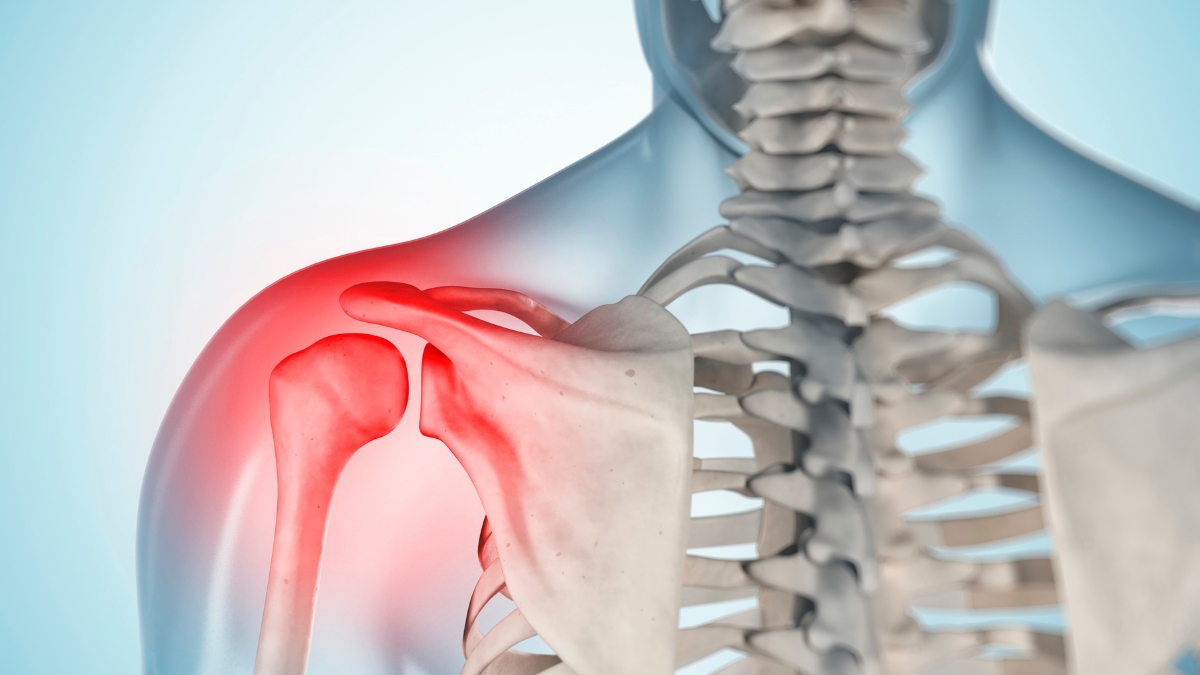
To understand rotator cuff injuries, we first need to understand the structure. The rotator cuff is a group of four muscles and their tendons that surround the shoulder joint. These muscles:
- Stabilize the shoulder
- Help lift and rotate the arm
- Allow overhead movements
If any of these tendons become irritated, inflamed, or torn, it results in a rotator cuff injury.
Why Do Rotator Cuff Injuries Happen?
According to Dr. Viresh Murgodi, rotator cuff issues arise primarily due to three causes:
1. Repetitive Overhead Movements
Common in athletes (e.g., swimmers, cricketers, weightlifters) and professionals (e.g., painters, electricians), overhead movements place stress on the tendons, leading to micro-tears.
“Most people don’t tear their rotator cuff in one event. It’s the result of thousands of small injuries adding up over time,” noted Dr. Murgodi.
2. Age-Related Degeneration
With aging, tendons naturally weaken and become more prone to injury—even during routine activities like lifting groceries or reaching overhead.
3. Poor Shoulder Mechanics and Posture
Dr. Wong (PT) highlighted that rounded shoulders, slouched posture, and weak back muscles place extra strain on the rotator cuff tendons, making them vulnerable.
“Today’s sedentary lifestyle is a silent contributor to rotator cuff degeneration,” he added.
Symptoms to Watch Out For…
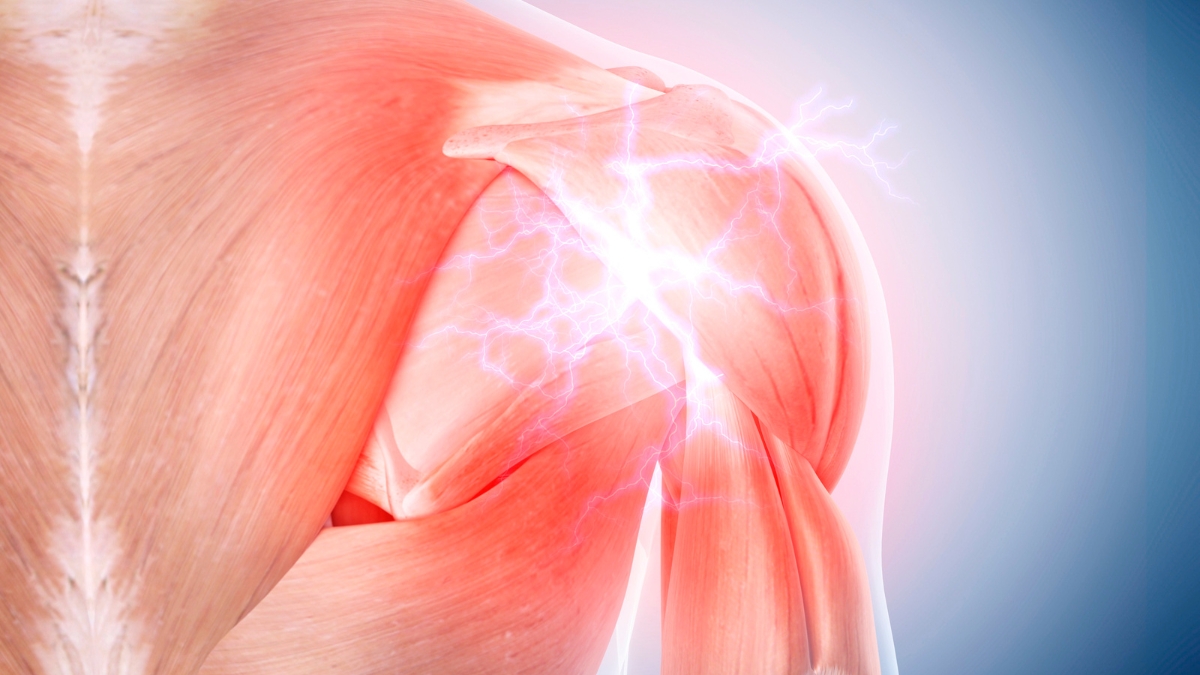
A rotator cuff injury doesn’t always cause instant pain. Many cases start subtly and progress over time.
- Dull ache deep in the shoulder
- Difficulty sleeping on the affected side
- Weakness when lifting or rotating the arm
- Clicking or popping sounds
- Limited range of motion
Diagnosis: It’s More Than Just an MRI
At the CME, Dr. Pradeep Kocheeppan emphasized that diagnosis isn’t only about imaging.
“A clinical examination by an experienced orthopedic doctor can often tell us more than an MRI. Movement patterns, muscle imbalances, and pain behavior are key clues.”
In addition to MRI or ultrasound imaging, doctors also perform special tests like the Empty Can Test or Drop Arm Test to assess rotator cuff involvement.
Prevention: The Best Medicine
Each speaker at the event highlighted prevention as the most important—and often overlooked—step in managing rotator cuff injuries.
Here are the key strategies shared:
1. Strengthen Shoulder-Stabilizing Muscles
Many people strengthen large muscle groups but neglect the smaller stabilizers like the rotator cuff. Incorporate these simple exercises into your routine:
- External rotation with resistance band
- Internal rotation against wall or band
- Scapular retractions to align posture
- Shoulder blade push-ups (scapular push-ups)
“Prevention doesn’t require fancy equipment. A resistance band and five minutes a day can save your shoulder,” said Dr. Wong.
2. Maintain Full Shoulder Mobility
Stiff joints force the rotator cuff to compensate, increasing injury risk. Use stretches like:
- Sleeper stretch (for internal rotation)
- Cross-body shoulder stretch
- Overhead reach with towel
Dr. Wong emphasized daily mobility drills, especially after long hours of sitting or screen time.
3. Fix Your Posture
Posture plays a bigger role in shoulder health than most people realize.
“Forward head and rounded shoulders alter the scapular positioning, straining the rotator cuff over time,” explained Dr. Viresh.
Set posture reminders, use ergonomic chairs, and strengthen your upper back (rhomboids, trapezius) to correct posture.
4. Train Smart
Athletes should prioritize form over intensity. Dr. Murgodi highlighted that poor lifting technique—especially during overhead presses—can accelerate tendon wear.
Tips for athletes:
- Warm up the shoulders thoroughly
- Avoid heavy overhead lifts without supervision
- Cross-train to balance muscle development
- Rest between shoulder-heavy workouts
5. Prevent Degeneration in Seniors
Dr. Pradeep Kocheeppan noted that rotator cuff injuries in seniors often go undiagnosed because they’re mistaken for normal aging.
“Pain with daily activities like combing hair or dressing isn’t just old age—it may be a sign of rotator cuff pathology.”
Recommendations for seniors:
- Perform daily range-of-motion exercises
- Avoid lifting heavy objects above shoulder level
- Use assistive tools when necessary
- Get early physiotherapy if movement becomes difficult
When Is Surgery Required?
Not all rotator cuff injuries need surgery. Dr. Murgodi clarified that partial tears or inflammation can be managed with rest, physiotherapy, and strengthening.
Surgery is usually recommended for:
- Full-thickness tears
- Cases unresponsive to rehab after 6–12 weeks
- Acute traumatic injuries in active individuals
At Move and Shine, the approach is non-surgical first, surgical only if needed, combined with post-op rehab to ensure full recovery.
Key Takeaways from the CME Session
- Rotator cuff injuries are common—but preventable.
- Sedentary lifestyle and poor posture are major hidden contributors.
- Strengthening, stretching, and smart training are essential for prevention.
- Early physiotherapy can prevent progression to surgical cases.
- Rotator cuff care is for everyone—not just athletes or the elderly.
Preventive Orthopedic Care for All Age Groups
Move and Shine believes that orthopedic wellness starts before the pain begins. Their preventive care programs are crafted to support the needs of all age groups—be it growing children, desk-bound professionals, athletes, or the elderly. Through regular movement assessments, posture correction sessions, and guided exercise regimes, the clinic helps individuals identify early signs of joint or muscle dysfunction before they turn serious. School programs teach children about bone health, while corporate tie-ups promote spinal care and workplace ergonomics. For seniors, the clinic offers fall-prevention strategies, bone density assessments, and mobility aids guidance. This approach to prevention not only reduces injury risk but significantly enhances quality of life over time.
Conclusion
Rotator cuff health isn’t just about avoiding pain—it’s about preserving your ability to move freely, work comfortably, and enjoy your favorite activities. Whether you’re at a desk, in the gym, or enjoying retirement, daily care for your shoulders can go a long way.
As shared by the expert panel at Move and Shine’s event, awareness + action = protection. Start today, and your shoulders will thank you tomorrow.