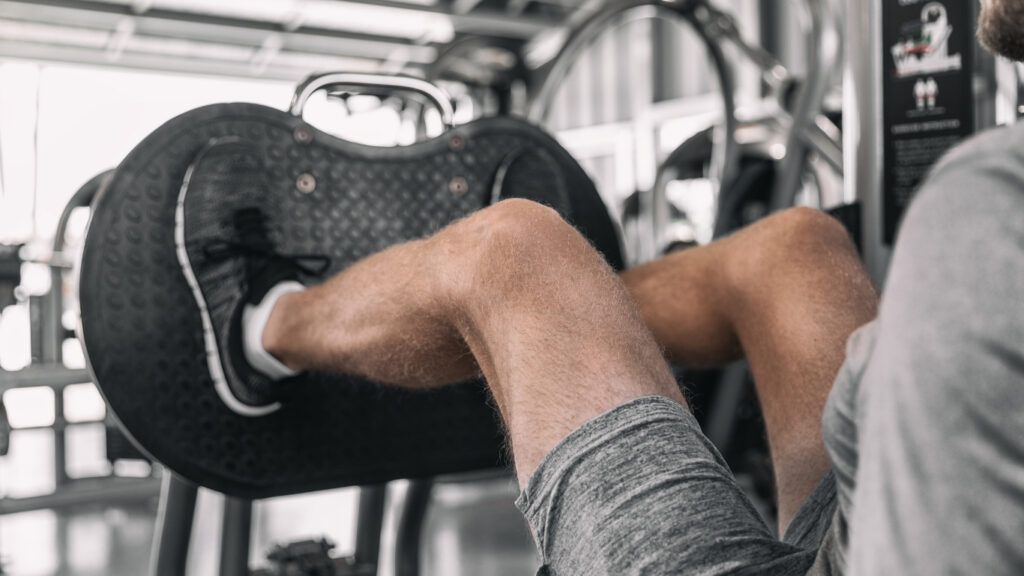
In India, nearly 29% of adults are affected by knee osteoarthritis, with prevalence rising to over 64% among the elderly in some regions. This shows how common joint problems are. Strong, healthy knees are the key to being able to move around and live an active life for the rest of your life. When knee health is bad, it can lead to less physical activity and a higher risk of heart disease. In order to promote both mobility and heart health, joint preservation is essential, not merely in the face of pain. “Healthy Knees, Healthy Heart” promotes routines that keep your knees from being hurt in the first place. 
What is Joint Preservation?
Joint preservation is a strategy to maintain your joints healthy, strong, and working effectively for as long as possible, especially your knees, which bear weight. Instead than waiting for joints to get so bad that surgery or a complete joint replacement is needed, preservation focusses on making adjustments to your lifestyle, getting physical therapy, taking medicines, and having minimally invasive therapies as soon as possible. Keeping your knees healthy is especially important since obtaining a knee replacement too soon in life is not a good decision. Artificial joints do not last forever; they normally last 15 to 20 years. This implies that younger patients are more likely to need revision surgery later, which is a more complicated and less predictable process. Early surgery can also make it harder to do things later on and increase the chances of problems.
To keep your knees healthy, you should retain a healthy weight, remain active, strengthen the muscles that support the joints, and take care of injuries right away. It also means treating early indicators of osteoarthritis and changing your lifestyle to protect your joints before the damage becomes worse. People can lower the chance of needing surgery early and keep moving without discomfort by focussing on preservation. This lets them live active, independent lives far into old age.
Why “Healthy Knees, Healthy Heart” Should Be India’s Motto
More than 18% of people in India have knee discomfort, hence the slogan “Healthy Knees, Healthy Heart” is important for a better future. This method is good for your joints and your health in general.
● Increasing Knee Pain and Joint issues
Not moving around enough and bad posture can cause knee issues to start early, especially in younger folks.
● Low Muscle Mass and Bone Strength
Many Indians, especially women, have weak muscles and bones, which makes their joints more likely to be hurt.
● Less time spent outside
Living in the city and spending a lot of time in front of screens make it hard to walk around, which is bad for both your heart and your joints.
Exercise, good food, and being conscious of joint care are all important for an active, heart-healthy India. Strong, healthy knees are essential for maintaining regular physical activities like walking, cycling, and swimming, which help prevent heart disease, diabetes, and hypertension. Without good knee health, staying physically active becomes difficult, increasing the risk of these chronic conditions.
8 Tips for Healthy Knees
Taking care of your knees is important for being mobile, independent, and healthy in general. Here are eight useful suggestions to help your knees stay strong and pain-free:
1. Get up and move
Working out regularly maintains your muscles strong and your joints flexible. Walking, swimming, and biking are all low-impact workouts that are great for your knees.
2. Keep a healthy weight
When you are overweight, your knees have to work more, which makes them more likely to be hurt. It is also simpler to develop the muscles and bones around your knees with regular workouts like squats, lunges, and resistance training when you are at a healthy weight.
3. Protect Knees from Injury
When you do physical activities, use the right technique, wear knee protection when you need to, and don’t twist your body suddenly. Exercises that make your thighs and hips stronger also help your knees feel better.
4. Take care of injuries right away
If you don’t take care of knee injuries, they might become long-term problems. Get medical help right away for sprains, edema, or instability to avoid long-term harm.
5. Pay Attention to Pain
Don’t ignore your knee discomfort; it’s a clue. For minimal discomfort, try rest, ice, compression, and elevation (RICE). If the pain doesn’t go away or gets worse, see a doctor.
6. Eat a balanced diet
A diet that is balanced and high in calcium, vitamin D, and foods that fight inflammation can help keep your bones and joints healthy. Fish or flaxseed oil can also help with joint stiffness by giving you omega-3 fatty acids.
7.Take care of your bones.
For strong knees, bones need to be healthy. Get enough sun to get vitamin D, and be sure to eat foods that are good for your bones, such dairy, leafy greens, and nuts.
8.Be careful when choosing shoes
Shoes that support your feet absorb impact and ease stress on your knees. Don’t wear high heels or flat sandals without arch support every day.
Small things you do every day can help keep your knees healthy for a long time.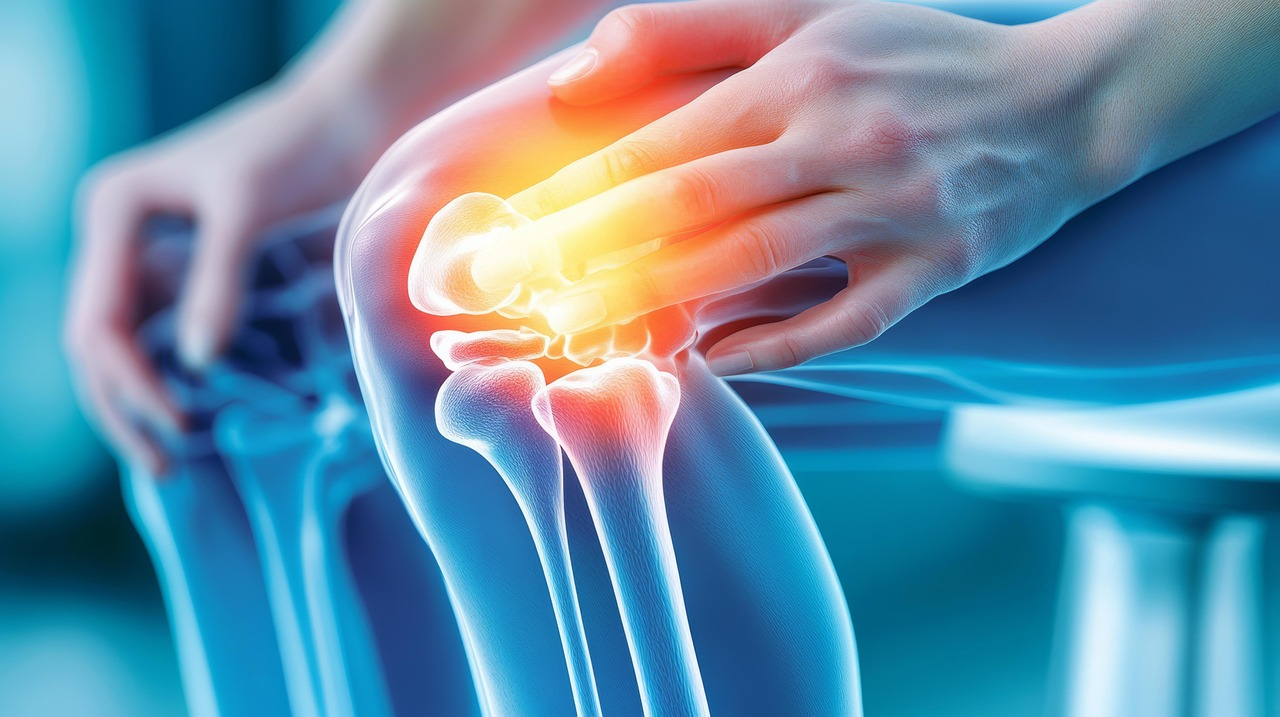
Why exercise is needed for Healthy knees
Exercise is important for healthy knees because it makes the muscles that support the joint stronger, more flexible, and better at balancing, which lowers the chance of being hurt. Moving around regularly keeps cartilage healthy by getting blood and nutrients to the knees. It also helps you keep your weight in check, which takes some of the stress off your knees. Walking, cycling, and swimming are all great low-impact workouts. Regular exercise keeps knees strong, stable, and pain-free, which helps with long-term mobility and independence.
Conclusion
Keeping your knees healthy goes beyond simply avoiding pain, it’s fundamental to maintaining overall health, including heart health. Healthy knees enable regular physical activity like walking, cycling, and swimming, which help prevent heart disease, diabetes, and hypertension. By adopting knee preservation habits such as maintaining a healthy weight, exercising regularly, protecting your knees from injury, and eating a balanced diet, you can ensure lifelong mobility and well-being. In India, where joint problems are increasing, the message is clear: “Healthy Knees, Healthy Heart” is not just a slogan but a vital campaign to improve everyone’s health and quality of life.