The “Chalta Hai” Attitude vs. The Silent Thief of Sight
In India, we have a unique relationship with healthcare. We service our cars every 5,000 kilometers religiously. We renew our insurance policies before they expire. But when it comes to our own bodies, specifically our eyes, we often adopt a “Chalta Hai” (it’s okay/it will do) attitude.
Unlike in some Western countries where annual checkups are mandated by insurance, in India, medical diagnostics are largely an out-of-pocket expense. Because it costs money and takes time, the common mindset is: “My vision seems fine. Why should I pay a doctor to tell me what I already know?”
This delay is dangerous.
At Move & Shine Orthopaedic Wellness & Eye Clinic, we frequently see patients who walk in thinking they just need a change of power for their glasses, only to discover they have lost 40% of their vision to a condition that could have been stopped years ago.
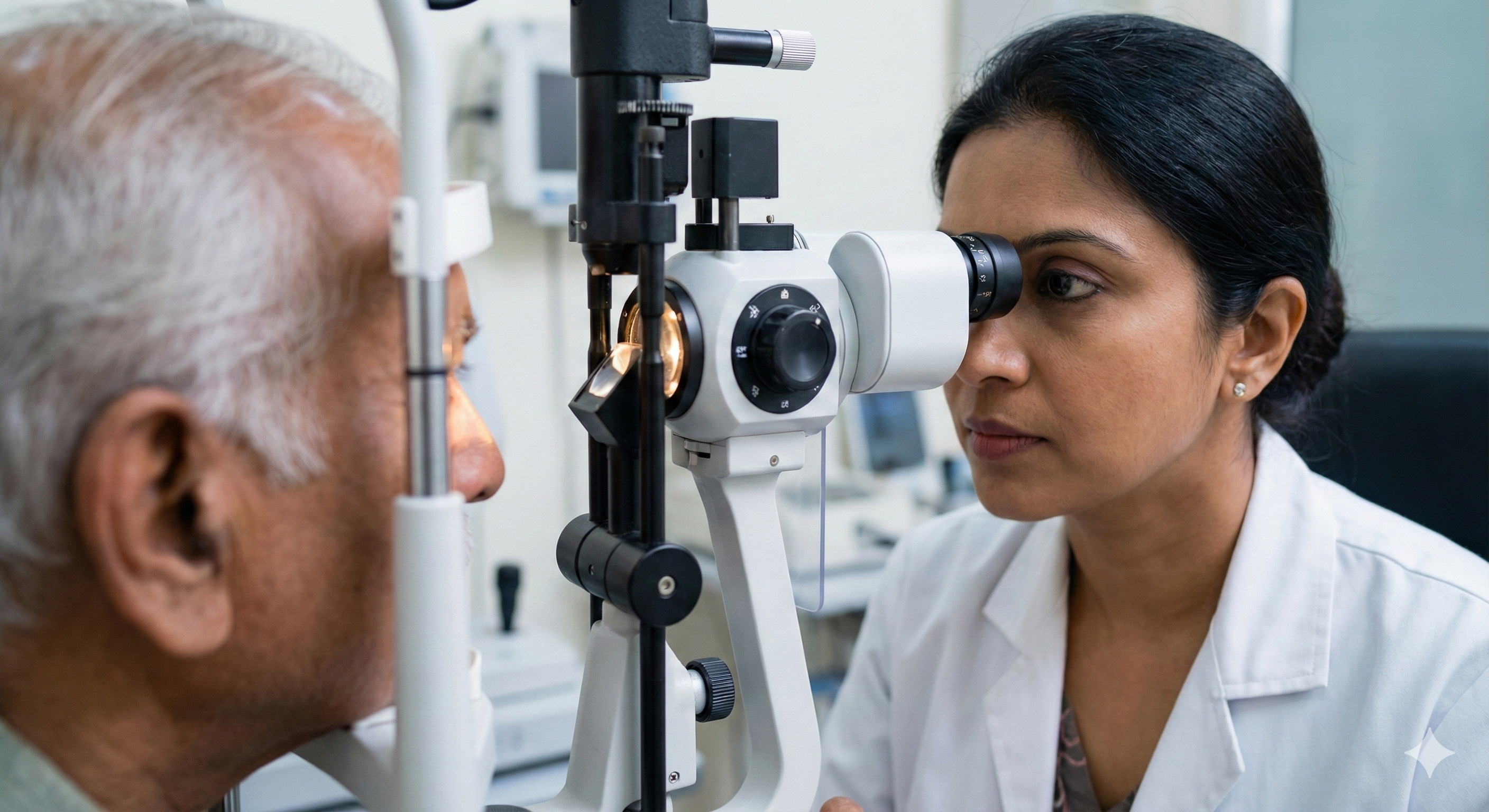
Dr. Donna Susan, our Specialist Ophthalmologist, puts it bluntly:
“The most dangerous eye diseases—Glaucoma and Diabetic Retinopathy—are painless in the early stages. They don’t hurt. They don’t make your eyes red. By the time you notice your vision blurring, the damage is often permanent. An eye exam is not just about reading letters on a wall; it is a health scan for your brain and nervous system.”
This guide explains why periodic eye checks are the smartest investment you can make, who needs them the most, and how to overcome the hesitation to schedule one.
The “Indian Context”: Why We Postpone & Who Needs to Stop Waiting
In India, we often treat the eyes only when there is an emergency—redness, injury, or sudden blindness. But eye health is not one-size-fits-all. Different lifestyles demand different schedules.
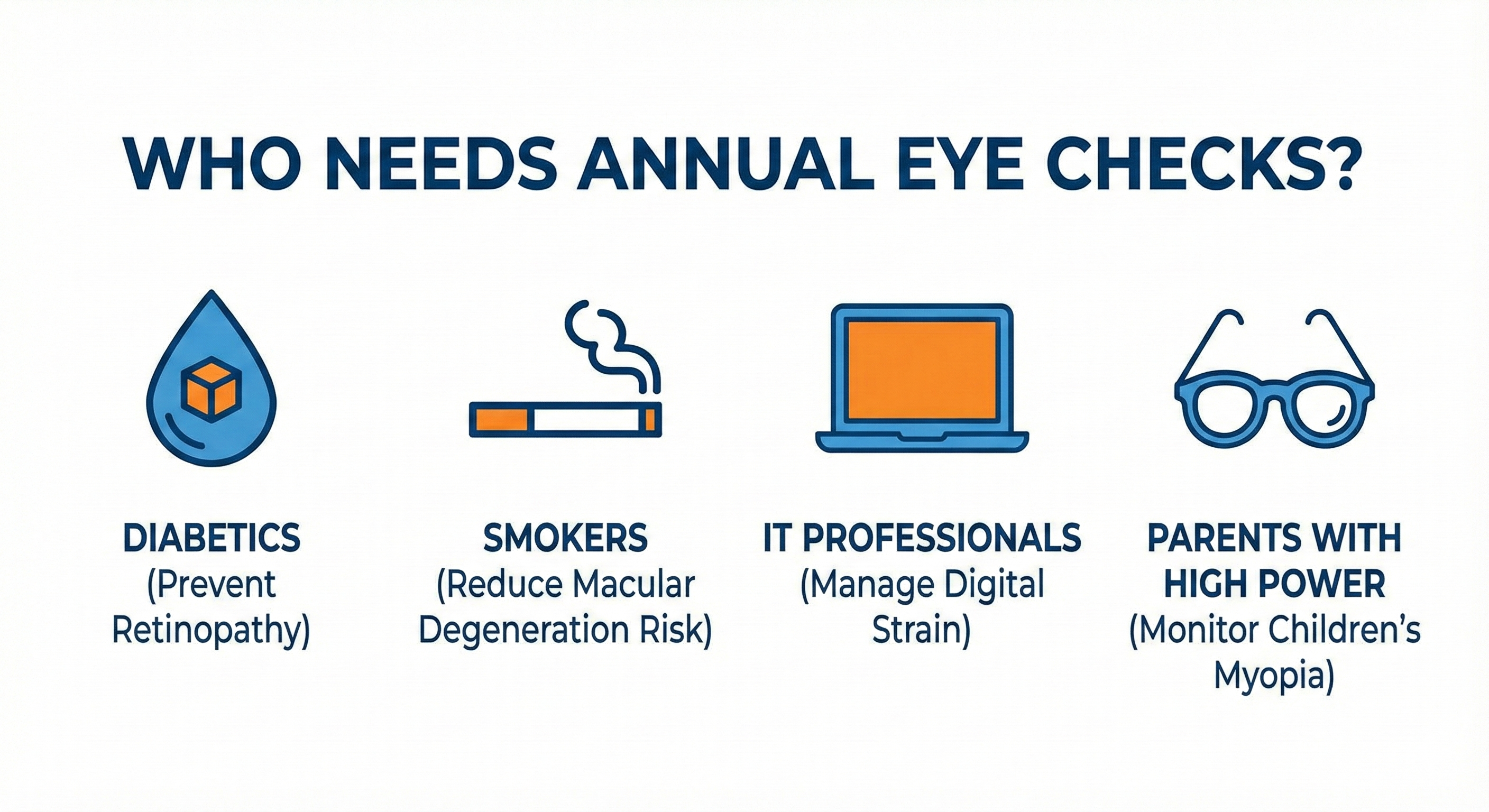
Here is a breakdown of who requires frequent checks and why.
1. The “Diabetic Capital” Reality (Diabetics)
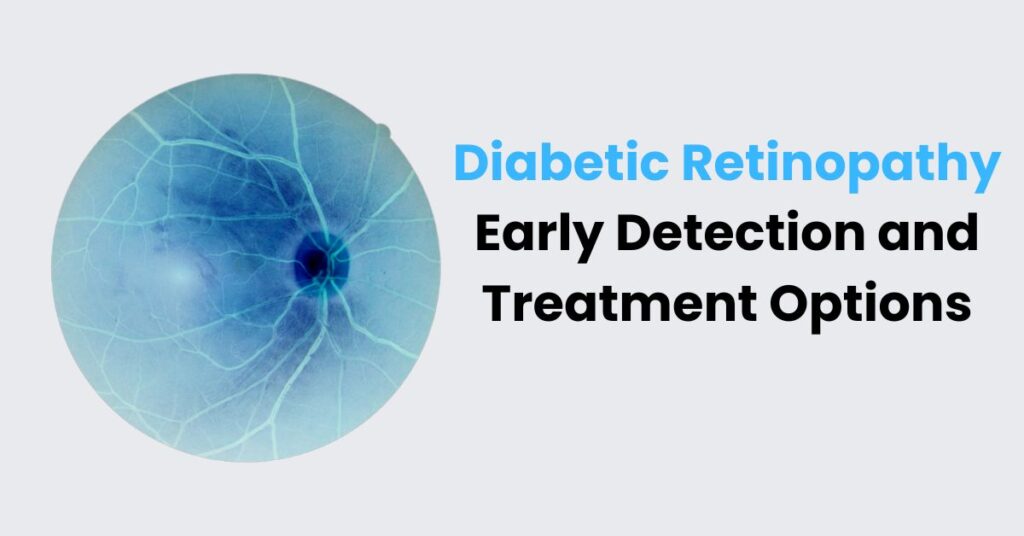
India is often called the Diabetes Capital of the World. High blood sugar damages the tiny blood vessels in the retina (the back of the eye).
The Risk: Diabetic Retinopathy. It is a leading cause of blindness in working-age Indians.
The Checkup Rule: If you are diabetic, an annual retinal screening (Fundus Examination) is non-negotiable, even if your vision feels perfect.
2. The Hereditary Link (Parents with High Power)
If you are a parent wearing thick glasses (-4.00 or higher), your children are genetically predisposed to Myopia (nearsightedness).
The Risk: Progressive Myopia. In Indian classrooms, children often don’t complain they can’t see the blackboard; they just lose interest in studies or get headaches.
The Checkup Rule: Every 6 months for children of myopic parents, starting from age 5.
3. The “IT Hub” Warriors (Computer Users)
From Bengaluru to Gurgaon, millions of Indians spend 10-14 hours glued to screens.
The Risk: Computer Vision Syndrome (CVS) and severe Dry Eye. While this rarely causes blindness, it causes chronic fatigue, reducing your work performance and quality of life.
The Checkup Rule: Annual checkups to adjust for “intermediate” screen distance and tear film evaluation.
4. Smokers & Lifestyle Risks
Smoking doesn’t just damage lungs; it accelerates aging in the eyes.
The Risk: Smokers are 4 times more likely to get Age-Related Macular Degeneration (ARMD) and develop Cataracts earlier than non-smokers.
The Checkup Rule: Annual screening after age 40.
5. The High-Performance Group (Pilots, Drivers, Sports Professionals)
For these individuals, vision isn’t just health; it’s their career.
The Risk: A minor drop in depth perception or night vision can lead to accidents or career-ending mistakes.
The Checkup Rule: Detailed “Visual Fitness” evaluations (Depth perception, Color vision, Contrast sensitivity) every year.
Not All Eye Exams Are Equal: What Kind of Test Do You Need?
Many people think getting their eyes checked at a free camp or a local optical shop is enough. While those are good for checking your glass power (Refraction), they are not comprehensive medical eye exams.
At Move & Shine, we distinguish between three levels of checking:
The Basic Refractive Check: Checks if you need glasses.
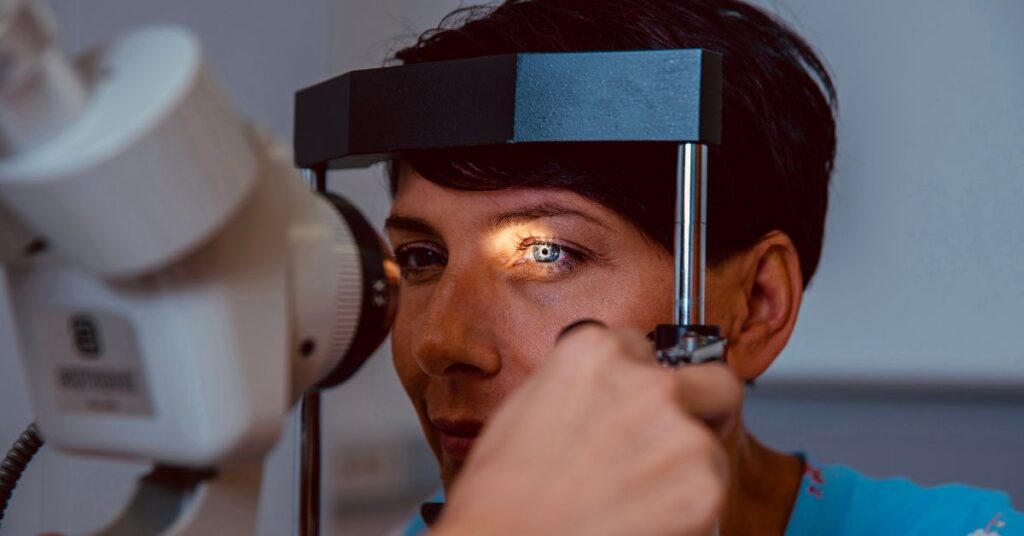
The Comprehensive Medical Eye Exam (The Gold Standard): Includes slit-lamp examination, Intraocular Pressure (IOP) check for Glaucoma, and Retinal evaluation.
The Specialized/Retina Check: Uses drops to dilate the pupil to see the optic nerve and macula clearly.
Real Stories: “I Wish I Had Come Sooner”
We often hear heartbreaking stories from patients who delayed their visits because of cost or busyness.

Case Study 1: The “Silent Thief” (Glaucoma)
The Patient: Mr. R. Sharma, 52, Corporate Executive.
The Incident: Went for a checkup only to get lighter frames.
The Diagnosis: Advanced Glaucoma. He had already lost significant peripheral vision.
The Realization: “If I had waited another year, I might have gone blind. I thought saving ₹1000 on a consultation was smart. I was wrong.”
Case Study 2: The “It’s Just Age” Mistake (Cataract)
The Patient: Mrs. V. Gowda, 68, Retired Teacher.
The Diagnosis: Hard and mature cataracts.
The Realization: “I spent 3 years living in a fog when I could have seen clearly.”
Expert Insight: Why Early Detection Saves More Than Just Money
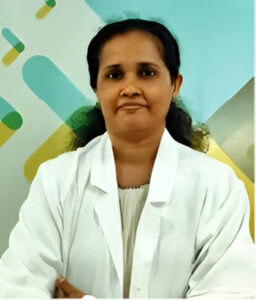
Dr. Donna Susan states: “In conditions like Diabetic Retinopathy or ARMD, damage is often irreversible. If a patient comes for a routine check, I can spot the tiny leakages before they bleed and treat it with a simple laser. That is the difference between preserving sight and trying to rescue it.”
The Move & Shine Advantage: Integrated Wellness
Move & Shine is a hub for elite sportsmen and health-conscious individuals. Our unique advantage is the Integrated Medical Approach. When you walk in, you aren’t just a pair of eyes; you are a whole person treated by a team that understands how your body, lifestyle, and vision interact.
FAQs: Indians Often Ask About Eye Checkups
Don’t Wait for the Blur.
Your eyes are your window to the world. Keep them clean, clear, and checked.
Schedule your comprehensive eye wellness exam at Move & Shine Orthopaedic Wellness & Eye Clinic today.