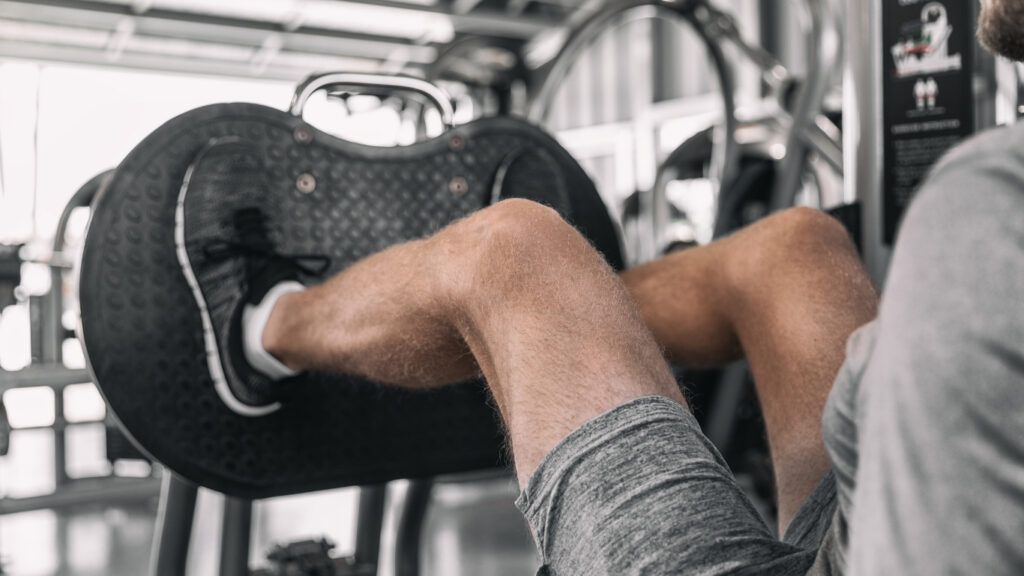
Prevention and Performance Tips for Every Athlete gives important advice on how to avoid common sports injuries and get the most out of your body. Studies have indicated that 20% of kids miss at least one day of school every year because of sports injuries. This is strong evidence of how common and serious these problems may be. This guide is for athletes of all levels and gives them practical, science-based tips on how to stay safe, strong, and ready to play. You’ll learn how to exercise smarter, do better, and avoid the setbacks that might stop your progress, from being aware of risks to preventing injuries and recovering from them.
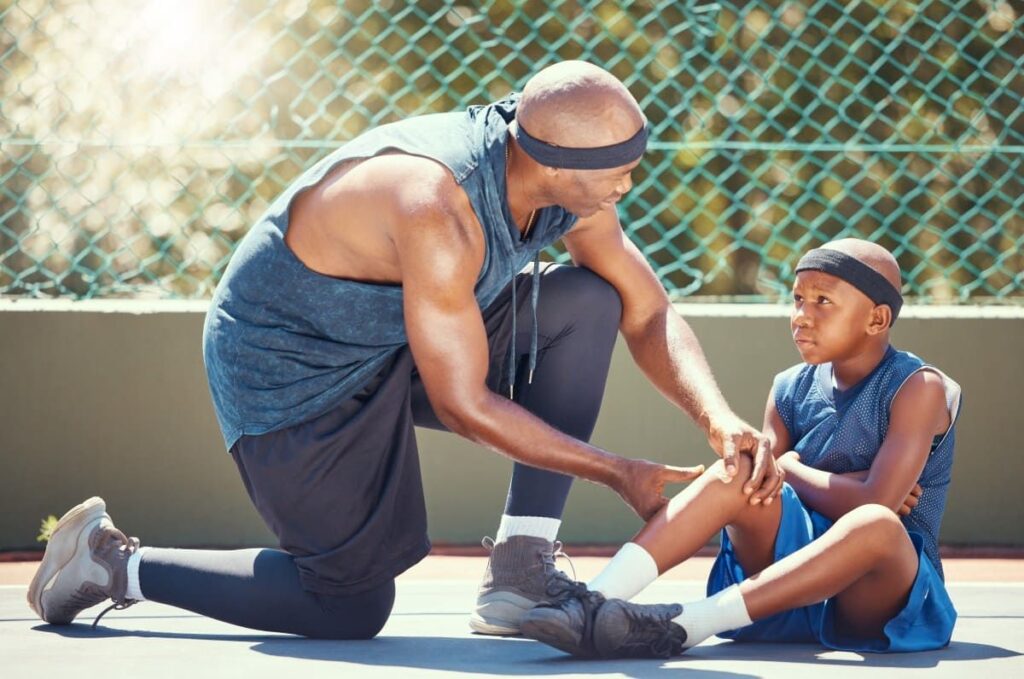
Why sports injuries happen
There are several things that can cause sports injuries that can be avoided and that put an athlete’s safety and performance at risk.
- Improper or Poor Training Practices – Overtraining, employing the wrong techniques, or not giving your body enough time to recuperate can put stress on your muscles and joints, making you more likely to become hurt.
- Wearing Improper Sporting Gear- Equipment that doesn’t fit well or isn’t right for the job, such shoes or protective padding, doesn’t give you the support and protection you need.
- Being in Poor Health Condition – Being out of shape, having muscular imbalances, or having other health problems might make you more likely to get hurt.
- Improper Warm-up or Stretching – If you skip or speed your warm-ups, your muscles and ligaments might become hurt because they don’t have enough blood flow and flexibility.
- Poor Nutritional Status – Not getting enough vitamins (D, C, E), minerals (calcium, magnesium, zinc), antioxidants, and amino acids decreases the body’s repair processes, slows recovery, lowers muscular strength, and weakens the immune system, which makes injuries more frequent and recovery slower.
Preventing Sports Injuries: Tips for Athletes
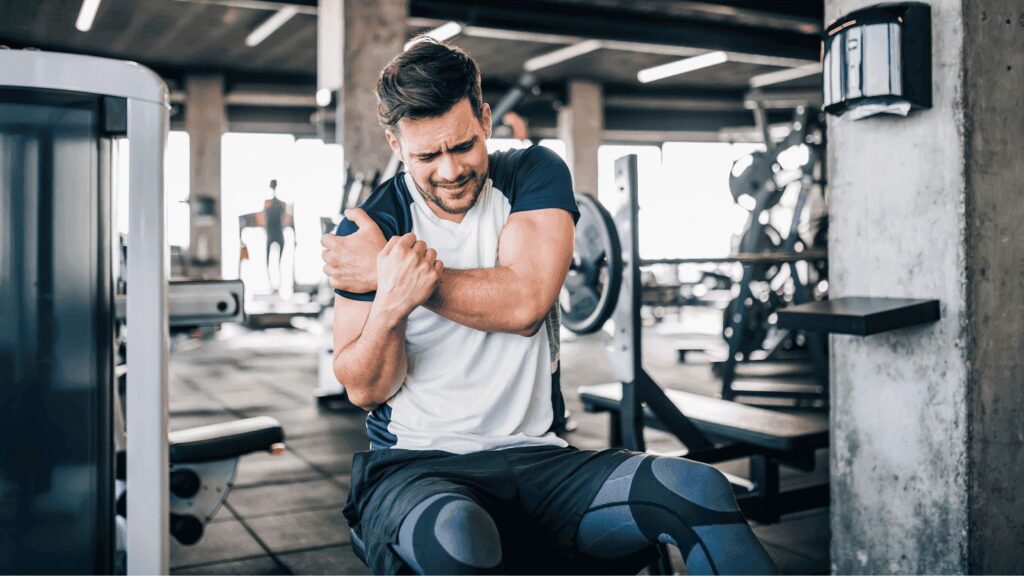
To stay healthy and perform effectively in the long run, it’s important to avoid sports injuries. Athletes may greatly lower their risk of injury by exercising in a way that is balanced and thoughtful. Here are eight good ways to do it:
- Warm up – A good warm-up gets your blood flowing, elevates your body temperature, and gets your muscles and joints ready for exercise. Jumping jacks and arm circles are examples of dynamic exercises that can help loosen up tight muscles and lessen the chance of injury. Research shows that a good warm-up can lower the chance of getting hurt by as much as 30%.
- Cool Down – Cooling down lets your body slowly go back to its resting condition. After working out, doing light aerobic movements and static stretching can assist get rid of lactic acid and stop your muscles from hurting. This helps you recuperate and become more flexible.
- Change up your workouts – Doing the same things again and over might hurt you. Cross-training with diverse sports or activities like cycling, swimming, or bodyweight circuits can help you become in better shape without putting too much strain on certain muscles.
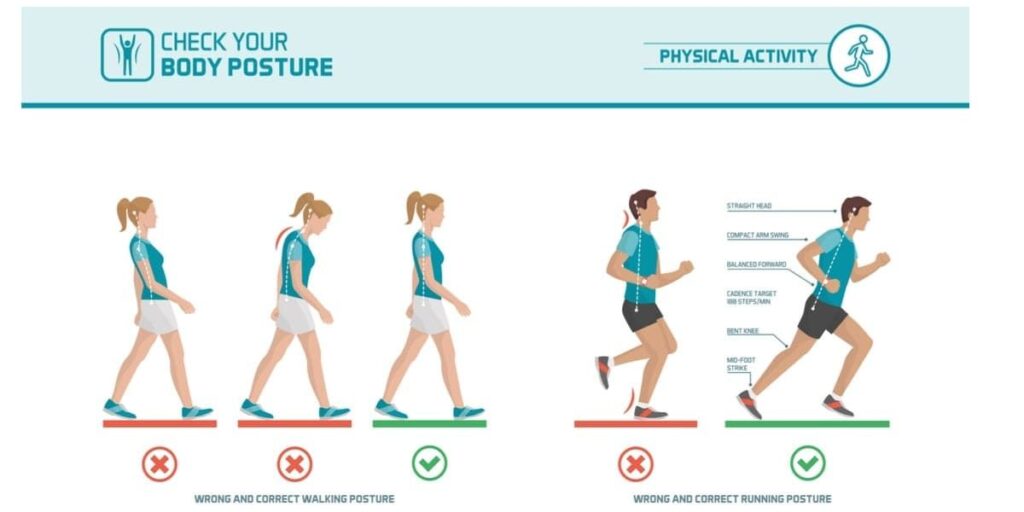
- Pay attention to form – Using the wrong technique can put stress on your muscles, joints, and ligaments. Keeping the right technique is important for avoiding injuries, whether you’re lifting weights or running. Work with coaches or trainers to check your technique on a regular basis.
- Stretch Regularly – Stretching makes you more flexible, less tense, and gives you more range of motion. To keep your muscles flexible and less likely to get hurt, do both dynamic stretches before working out and static stretches after.
- Establish Rest Days – Training is just as vital as resting. Taking at least one day off each week gives the body time to heal and build up its energy levels. Overtraining without taking breaks can cause problems due to exhaustion. About half of all sports injuries are caused by overuse or weariness.
- Strengthen Your Core – A strong core keeps your body stable and helps you stand up straight and balance better. To lower your chance of hurting your back, hips, or knees, use exercises like planks and Russian twists.
- Respond Quickly to Pain – Not paying attention to discomfort might make injuries worse. If the pain doesn’t go away after a few days, cease what you’re doing and visit a doctor. Early treatment helps people get better faster and stops long-term harm.
The Importance of Proper Technique and Equipment
For both performance and injury prevention, it’s important to use the right technique in sports. Using the right form helps spread physical stress evenly across muscles and joints, which lowers the chance of strains, sprains, and injuries from overuse. Technique makes ensuring that your body moves securely and efficiently, whether you’re lifting weights, sprinting, or playing a team sport.
Using the correct tools is just as crucial. Wearing gear that is particular to the sport, such supportive shoes, helmets, or joint braces, is very important for safety and stability. Worn-out or poorly fitting clothing might make you more likely to be hurt, including spraining your ankle, getting a concussion, or getting blisters. This can harm your performance and safety.
A strong base for long-term sports performance is having the right technique and good equipment. Athletes should check their form with their instructors on a frequent basis and get new gear when they need it. These easy yet effective behaviors not only keep you from being hurt, but they also boost your confidence and consistency in training and competition.
Conclusion
Every athlete’s path includes staying injury-free. Athletes may train smarter and do their best by knowing what causes sports injuries and using effective ways to avoid them, such warming up properly, getting enough rest, eating well, using the right technique, and using the right equipment. Injuries can hurt performance and have long-lasting effects on both the body and the mind. This guide gives athletes of all levels the skills they need to protect their bodies, get stronger, and always be ready to play. Always remember that prevention is better than cure. Taking action ahead of time may make all the difference in attaining long-term success in any sport.