Introduction
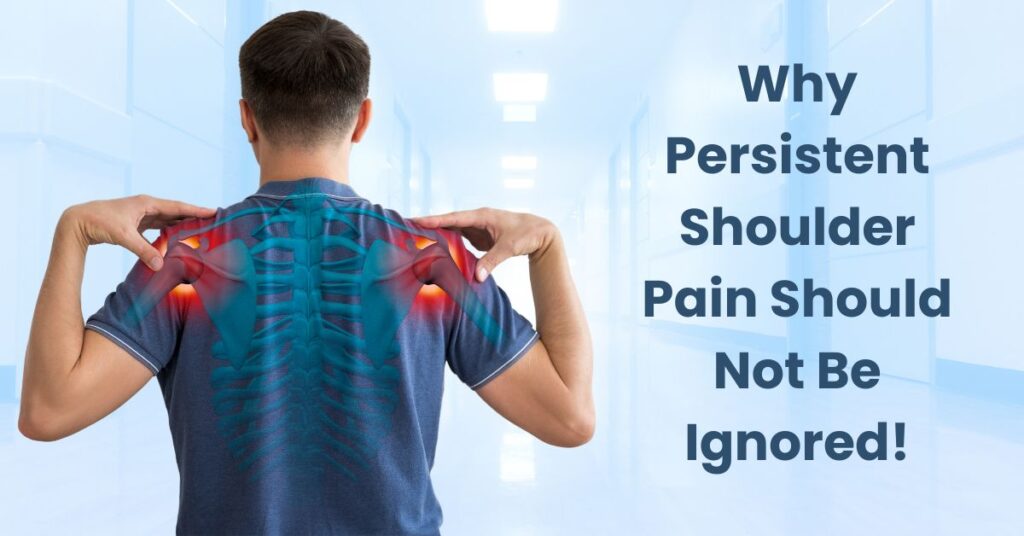
Shoulder pain is one of the most common musculoskeletal complaints we see at Move & Shine Orthopedic Clinic in Bangalore. Whether it creeps in after a night’s sleep, flares up during a cricket match, or builds gradually from desk work, shoulder pain causes and treatment options vary widely depending on the underlying condition. The shoulder is the most mobile joint in the human body — and that same mobility makes it vulnerable to injury, inflammation, and wear.
Studies estimate that shoulder pain affects up to 26% of adults at some point in their lives (Luime et al., 2004, European Journal of General Practice). In India, the combination of lifestyle factors, occupational stress, and increasing sports participation has made shoulder conditions increasingly prevalent. This comprehensive guide covers the types of shoulder pain, home remedies that actually work, professional orthopedic treatment options, targeted exercises, and a clear framework for when to see a doctor.
What Is Shoulder Pain? Common Types of Shoulder Pain
The shoulder is a ball-and-socket joint comprising the humerus (upper arm bone), scapula (shoulder blade), and clavicle (collarbone). It is stabilised by the rotator cuff — four muscles and tendons that hold the joint together — along with the labrum, bursa, and several ligaments. When any of these structures is stressed, damaged, or inflamed, pain results.
1. Rotator Cuff Injuries
Rotator cuff tears and tendinitis are the most frequent cause of shoulder pain in adults over 40. Partial or full-thickness tears of the supraspinatus, infraspinatus, teres minor, or subscapularis muscles cause aching pain, weakness, and difficulty lifting the arm overhead. Overhead workers, swimmers, and cricketers are particularly at risk.
2. Frozen Shoulder (Adhesive Capsulitis)
Frozen shoulder develops when the shoulder capsule thickens and tightens, restricting movement in all planes. It is more common in women, people with diabetes, and those who have immobilised the shoulder after an injury. The hallmark is progressive stiffness with pain — often severe at night — that passes through freezing, frozen, and thawing phases over 1–3 years without proper frozen shoulder treatment.
3. Shoulder Impingement Syndrome
When the rotator cuff tendons or subacromial bursa are pinched beneath the acromion during arm elevation, the result is a painful arc of movement — typically between 60° and 120° of abduction. Impingement is often a precursor to rotator cuff tears if left untreated.
4. Shoulder Arthritis (Glenohumeral or AC Joint)
Osteoarthritis of the glenohumeral joint causes grinding, stiffness, and deep joint pain. Acromioclavicular (AC) joint arthritis — common in weightlifters and manual labourers — causes a localised ache at the top of the shoulder that worsens with cross-body movements.
5. Shoulder Dislocation and Instability
A dislocated shoulder occurs when the humeral head slips out of the glenoid socket, most often anteriorly. Recurrent instability — particularly in young athletes — leads to chronic apprehension, giving-way episodes, and eventual labral damage (Bankart lesion).
6. Shoulder Fractures
Fractures of the proximal humerus or clavicle typically follow a fall or direct impact. They present with immediate severe pain, bruising, and inability to move the arm. Management ranges from sling immobilisation to surgical fixation depending on fracture pattern and displacement.

Home Care vs Professional Treatment: How to Decide
Not every shoulder ache requires a clinic visit. Mild, acute strains from unaccustomed activity — such as helping someone move furniture — often resolve within a week with appropriate self-care. However, certain patterns of shoulder pain warrant prompt professional evaluation rather than home management.
Home care is appropriate when:
- Pain onset follows a specific, minor physical activity
- Pain is mild to moderate (below 5/10 on a pain scale)
- Full or near-full range of motion is preserved
- No associated weakness, numbness, or tingling
- Symptoms are improving within 48–72 hours
Seek professional shoulder pain treatment when:
- Pain persists beyond 2 weeks without improvement
- Pain is severe or wakes you at night
- Visible deformity or significant swelling is present
- Arm weakness prevents normal daily activities
- Following trauma (fall, collision, or accident)
- Pain is accompanied by chest tightness (could indicate cardiac referral)
At Move & Shine Orthopedic Clinic in Bangalore, our specialists use detailed clinical examination combined with ultrasound or MRI evaluation to pinpoint the exact cause before designing a personalised treatment plan.

Shoulder Pain Home Remedies That Actually Help
Evidence-based self-management strategies can provide meaningful relief for mild-to-moderate shoulder pain while you await a clinic appointment or as an adjunct to professional care.
Rest and Activity Modification
Relative rest — reducing, not eliminating, movement — is more effective than complete immobilisation, which can precipitate stiffness. Avoid overhead reaching, heavy lifting, and sleeping on the affected side. Continue gentle pendulum exercises (see Section 7) to maintain circulation and prevent capsule tightening.
Ice vs Heat Therapy
Apply ice (wrapped in a cloth) for 15–20 minutes every 2–3 hours during the first 48–72 hours of an acute injury or flare-up. After 72 hours, or for chronic stiffness (frozen shoulder), moist heat — a warm towel or heat pack — is generally more beneficial in relaxing the capsule and improving blood flow.
Over-the-Counter Anti-Inflammatories
NSAIDs such as ibuprofen (400 mg, three times daily with food) or diclofenac sodium gel applied topically can reduce pain and swelling in the short term. Use for no more than 5–7 days and consult a pharmacist or doctor if you have gastric, renal, or cardiovascular concerns.
Posture Correction
Forward head posture and rounded shoulders — increasingly common among IT professionals and remote workers in Bangalore — significantly increase impingement risk. Practise sitting tall, keep computer screens at eye level, and use a lumbar support cushion. Consider ergonomic assessments if you work long hours at a desk.
Turmeric and Ginger (Anti-Inflammatory Nutrition)
While not a replacement for medical treatment, curcumin (the active compound in turmeric) has demonstrated modest anti-inflammatory properties in multiple randomised controlled trials. Adding turmeric milk (haldi doodh) to your daily diet is a safe, low-cost adjunct to standard care.
Orthopedic Treatment Options for Shoulder Pain Causes and Treatment
When home remedies fail to resolve shoulder pain within 2–4 weeks, a structured orthopedic treatment plan offers significantly better outcomes. Treatment is matched to the specific diagnosis rather than applied generically.
Physiotherapy and Rehabilitation
Physiotherapy is the cornerstone of non-surgical shoulder pain management. A structured programme typically includes manual therapy (joint mobilisation, soft tissue release), targeted strengthening, stretching, and neuromuscular re-education. Most patients see significant improvement within 6–12 weeks of consistent physiotherapy.
Corticosteroid Injections
Ultrasound-guided corticosteroid injections into the subacromial space or glenohumeral joint provide rapid pain relief and reduce inflammation, allowing patients to engage more effectively with physiotherapy. Evidence supports their use in impingement and adhesive capsulitis, though repeated injections (more than three in one year) carry risks of tendon weakening.
PRP Therapy (Platelet-Rich Plasma)
PRP therapy involves concentrating the patient’s own platelets and injecting them into the injured tendon or joint. The growth factors within platelets stimulate tissue repair and reduce chronic inflammation. PRP is particularly beneficial for partial rotator cuff tears and chronic tendinopathy where conventional treatment has plateaued.
Hydrodilatation
Hydrodilatation — the injection of a large volume of saline, local anaesthetic, and steroid into the joint capsule — is a well-established treatment for frozen shoulder. It mechanically stretches the contracted capsule and accelerates recovery through the frozen phase.
When to See an Orthopedic Doctor for Shoulder Pain
Patients in Bangalore frequently delay seeking specialist care, hoping their shoulder pain will resolve on its own. While patience has merit for minor strains, delayed treatment of structural injuries often leads to worse outcomes, more complex surgery, and longer recovery.
See an orthopedic doctor immediately if you experience:
- Sudden severe pain following a fall, direct blow, or forceful throwing motion
- A popping or tearing sensation at the time of injury
- Visible deformity or an inability to raise the arm
- Pain with associated fever, redness, or warmth (possible septic arthritis)
- Neurological symptoms: numbness, tingling, or weakness down the arm
Schedule a consultation within 2 weeks if:
- Over-the-counter medication and rest have not improved your pain
- Pain is interfering with sleep, work, or quality of life
- You have stiffness that is progressively worsening (possible frozen shoulder)
- You are an athlete needing clearance to return to sport
Move & Shine Orthopedic Clinic offers same-week appointments for shoulder pain assessment in Bangalore. Visit moveandshine.in or call us to book your consultation.
Shoulder Exercises for Shoulder Pain: A Step-by-Step Programme
A progressive home exercise programme is one of the most powerful tools for recovering from shoulder pain and preventing recurrence. The exercises below are arranged in three phases. Begin Phase 1 and progress to Phase 2 only when Phase 1 is pain-free. Always perform exercises in a slow, controlled manner.

Important: Stop any exercise that causes sharp or worsening pain and consult you doctor.
Phase 1 — Gentle Mobility (Days 1–7)
- Pendulum Exercise: Lean forward with the unaffected arm on a table. Let the affected arm hang freely. Gently swing it in small circles (10 clockwise, 10 anticlockwise). 2 sets, twice daily.
- Shoulder Shrugs: Sit or stand upright. Shrug both shoulders up toward your ears, hold 3 seconds, then slowly lower. 10 repetitions, 2 sets.
- Neck Stretches: Gently tilt your ear toward your shoulder, hold 20–30 seconds. Relieves referred tension from cervical spine. 3 repetitions each side.
Phase 2 — Strengthening (Weeks 2–6)
- Isometric External Rotation: Stand with elbow bent 90° at your side, pressing the back of your hand into a wall. Hold 5 seconds. 10 repetitions, 3 sets. Strengthens the infraspinatus.
- Side-Lying External Rotation (with light dumbbell): Lie on your unaffected side. Holding a 0.5–1 kg weight, rotate the forearm upward keeping the elbow tucked. 12 repetitions, 3 sets.
- Resistance Band Rows: Anchor a resistance band at chest height. Pull both elbows straight back, squeezing the shoulder blades together. 15 repetitions, 3 sets.
- Doorway Chest Stretch: Place forearms on a doorframe, step forward until a stretch is felt across the chest and anterior shoulder. Hold 30 seconds. 3 repetitions.
Phase 3 — Functional Restoration (Weeks 6–12)
- Overhead Press (light weight): Begin with 0.5–1 kg, focusing on controlled movement without shrugging. 10–12 repetitions, 3 sets. Progress weight only when technique is perfect.
- Diagonal Band Pattern (PNF D2 flexion): Mimic a throwing or reaching motion against band resistance. 12 repetitions each side, 3 sets. Excellent for athletes and return-to-sport.
- Push-Up Plus (scapular protraction): Perform a standard push-up and at the top add an extra ‘plus’ push — protracting the scapula fully. Activates serratus anterior and stabilises the shoulder blade. 8–10 repetitions, 3 sets.
Advanced Treatment Options for Shoulder Pain
When non-surgical treatment fails to provide adequate relief — typically after 3–6 months of structured physiotherapy and injections — surgical intervention may be indicated.
Arthroscopic Surgery
Keyhole (arthroscopic) surgery allows surgeons to inspect the joint, repair labral tears (Bankart repair), remove bone spurs (subacromial decompression), and address biceps tendon pathology through small incisions. Recovery typically involves a sling for 2–6 weeks followed by physiotherapy.
Rotator Cuff Repair
Large or complete rotator cuff tears that fail conservative management require surgical repair — either arthroscopically or via mini-open technique. The tendon is reattached to the humeral head using suture anchors. Full return to overhead activities typically takes 4–6 months.
Shoulder Replacement Surgery
Total shoulder arthroplasty or reverse shoulder replacement is reserved for end-stage glenohumeral arthritis or irreparable rotator cuff tears causing severe disability. Modern implants provide excellent pain relief and functional restoration, with outcomes comparable to hip and knee replacement in appropriately selected patients.
Recovery Timeline: What to Expect
Recovery from shoulder pain varies considerably by diagnosis and treatment. As a general guide:
- Minor muscle strain: 1–2 weeks with rest and physiotherapy
- Rotator cuff tendinitis/impingement: 6–12 weeks with physiotherapy ± injection
- Frozen shoulder: 1–3 years; hydrodilatation and physiotherapy reduce this to 6–12 months
- Rotator cuff repair surgery: 4–6 months for full return to activity
- Shoulder replacement: 3–6 months for daily activities; 6–12 months for full recovery
Early diagnosis and a structured treatment plan consistently shorten recovery time. Patients who start physiotherapy within the first 4 weeks of symptom onset have significantly better outcomes than those who delay by 3 months or more (NICE Clinical Guideline CG59).
Prefer learning by watching? Our orthopedic team has created a series of expert videos to help you understand shoulder conditions better:
 Video 1 — Shoulder Pain Relief & Prevention Dr. Viresh Murugodi explains shoulder pain causes, relief strategies, and how to prevent recurrence.
  Watch: Shoulder Pain Relief & Prevention | Dr. Viresh Murugodi at Move and Shine Clinic
Video 2 — How to Prevent Repeat Shoulder Dislocation A surgical options review for patients dealing with recurrent shoulder instability. Watch: How to Prevent Repeat Shoulder Dislocation | Best Surgical Options Reviewed
Video 3 — Move & Shine Orthopedic Wellness Overview An introduction to the advanced care and pain-free living philosophy at Move & Shine Clinic. Watch: Move and Shine Orthopedic Wellness | Advanced Care for Pain-Free Living
Shoulder Pain Treatment in Bangalore — Move & Shine Orthopedic Clinic
If you are looking for expert shoulder pain treatment in Bangalore, Move & Shine Orthopedic Clinic offers a one-stop solution for all shoulder conditions — from acute sports injuries to chronic frozen shoulder and complex rotator cuff tears.
Why Choose Move & Shine for Shoulder Pain in Bangalore?
- Specialist orthopedic surgeons with advanced training in shoulder and sports medicine
- On-site diagnostic ultrasound for rapid, accurate assessment
- Full range of treatments: physiotherapy, injections (corticosteroid, PRP), hydrodilatation, and arthroscopic surgery
- Patient-centred care with personalised rehabilitation protocols
- Convenient Bangalore location with same-week appointments available
Clinic Address: Move & Shine Orthopedic Clinic, Bangalore, Karnataka, India
Website: https://moveandshine.in
Orthopedic Wellness & Shoulder Pain Management at Move & Shine
At Move & Shine, orthopedic wellness goes beyond treating pain — it is about restoring mobility, rebuilding strength, and preventing recurrence. The clinic’s orthopedic wellness programme integrates sports medicine, joint mobility assessment, and evidence-based rehabilitation under one roof in South Bangalore. For shoulder conditions specifically, the team led by Dr. Viresh Murgodi and Dr. Pradeep Kocheeppan specialises in the full spectrum of shoulder care — from early-stage rotator cuff tendinitis managed with physiotherapy and regenerative injections, to complex instability and full-thickness tears treated with minimally invasive arthroscopic surgery. The approach is conservative-first: every effort is made to restore function without surgery. When surgery is necessary, keyhole techniques minimise downtime and accelerate return to daily life and sport. This integrated model — combining specialist surgical expertise, in-house physiotherapy, and structured rehabilitation — is what sets Move & Shine apart as a shoulder pain centre in Bangalore.
Related Shoulder Health Articles from Move & Shine
Expand your knowledge with our expert shoulder health series:
- Shoulder Pain Treatment in Bangalore — Expert Guide— Comprehensive guide to professional shoulder treatment options available at our Bangalore clinic, including rotator cuff recovery and frozen shoulder relief.
- Shoulder Pain Causes and When to See a Doctor— Detailed breakdown of what causes shoulder pain and the warning signs that require immediate medical attention.
- Rotator Cuff Injuries: Why They Happen and How to Prevent Them— Everything you need to know about rotator cuff tears, risk factors, and evidence-based prevention strategies.
Conclusion
Shoulder pain causes and treatment options are closely linked — accurate diagnosis determines the correct intervention. Whether you are managing mild tendinitis with home remedies and shoulder exercises, or require advanced PRP therapy or surgical repair, early action consistently leads to better outcomes. Move & Shine Orthopedic Clinic in Bangalore provides the full spectrum of shoulder care, from first consultation through rehabilitation to return to sport or daily life. Do not let shoulder pain become a chronic condition — seek expert guidance at the earliest opportunity.
About the Author
Dr. Viresh Murgodi is a consultant orthopedic surgeon at Move & Shine Orthopedic Clinic, Bangalore, with an MS in Orthopedics and specialisation in shoulder and sports medicine. With over 8 years of experience treating rotator cuff injuries, frozen shoulder, and complex shoulder reconstructions, Viresh Murgodi is committed to evidence-based, patient-centred care.
References & Further Reading
- Prevalence and incidence of shoulder pain in the general population: a systematic review. Scandinavian Journal of Rheumatology.
🔗 https://pubmed.ncbi.nlm.nih.gov/15163107/
2. National Clinical Guideline Centre (UK). Osteoarthritis: Care and Management in Adults. National Institute for Health and Care Excellence (NICE) 🔗 https://www.nice.org.uk/guidance/cg59
3. Tashjian RZ. Epidemiology, natural history, and indications for treatment of rotator cuff tears. Clinics in Sports Medicine.
🔗 https://pubmed.ncbi.nlm.nih.gov/23040548/
4. World Health Organization. Musculoskeletal conditions. WHO Fact Sheet. Geneva: World Health Organization; 2021 (updated 2024). 🔗 https://www.who.int/news-room/fact-sheets/detail/musculoskeletal-conditions
Medical Disclaimer:
This article is for informational purposes only and does not constitute medical advice, diagnosis, or treatment. Always consult a qualified orthopedic surgeon or healthcare professional regarding any medical condition or before starting any exercise programme. Move & Shine Orthopedic Clinic accepts no liability for actions taken based solely on the content of this article.